
Maine Coon grooming guide: Caring for your gentle giant’s beautiful coat takes the right tools, gentle techniques, and a little patience. At HolyCoonz, we introduce grooming early so our kittens develop positive experiences with brushing, bathing, nail trimming, and drying. Here’s how we care for our Maine Coons and what we recommend for families at home.
Maine Coon Grooming Guide: Understanding the Coat
Maine Coons have substantial, often uneven-length coats with a ruff, britches, and a full tail. Coat texture, age, season, and individual oil production all affect grooming needs. Some cats need more frequent attention than others. The goal is to remove loose hair and prevent tangles before they tighten into uncomfortable mats.
How often should you comb a Maine Coon?
Check the coat with your hands every day, especially behind the ears, under the front legs, along the chest and mane, around the britches, and at the base of the tail. Many longhaired cats benefit from a brief daily combing session; others may maintain a comfortable, tangle-free coat with several thorough sessions each week. Adjust to your cat’s actual coat—not a rigid calendar.
Use a well-made stainless-steel comb that reaches through the coat without scraping the skin. Work gently in small sections and reward cooperation. If the comb catches, do not pull through the tangle.
Preventing and managing mats
Small, loose tangles may be separated carefully with fingers and a comb while supporting the hair near the skin. Tight mats can pull painfully on the skin and may hide irritation. Never use scissors to cut a mat close to a cat’s skin; feline skin is thin and easily injured. For a firmly attached or extensive mat, ask a veterinarian or experienced cat groomer for safe removal.
Disclosure: As an Amazon Associate, HolyCoonz may earn from qualifying purchases through affiliate links, at no additional cost to you.
Bathing: what HolyCoonz uses and why
Most healthy family cats do not need frequent full baths. Bathing becomes useful when the coat is especially oily, dirty, or difficult to maintain, or when a veterinarian recommends it. At HolyCoonz, our grooming supplies include the following products, selected according to the cat and the coat’s condition:
- Original blue Dawn dish detergent, used selectively when degreasing is needed—not as a routine everyday cat shampoo.
- Groomer’s Goop, used for stubborn oily areas such as stud tail or greasiness in the mane. Follow the product label, including age restrictions, and rinse thoroughly.
- A clarifying shampoo, used when the coat needs a deeper cleanse.
- Nature’s Specialties Plum Silky Shampoo, used as a conditioning shampoo and coat finish.
- Chubbs Bars, another specialty grooming product used in our cattery.
These are descriptions of our cattery’s practices, not a suggestion that every family needs to purchase or layer all these products. Use only products appropriate for the individual cat and its age, avoid eyes and ears, and follow label directions. Above all, rinse every product out completely.
Rinse, rinse, rinse — then rinse again!
At HolyCoonz, thorough rinsing is nonnegotiable. Shampoo, degreasers, and conditioning products must be washed completely out of the coat. Work through the dense mane, belly, britches, tail, and undercoat until no residue remains. When you think you have rinsed enough, rinse once more. Leftover product can irritate the skin, leave the coat sticky or greasy, and contribute to tangles. If irritation develops, contact your veterinarian.
Drying without turning grooming into a struggle
After bathing, we use highly absorbent microfiber towels, including mitt-style towels with pockets for the hands. They let us gently blot and work moisture out of the coat.
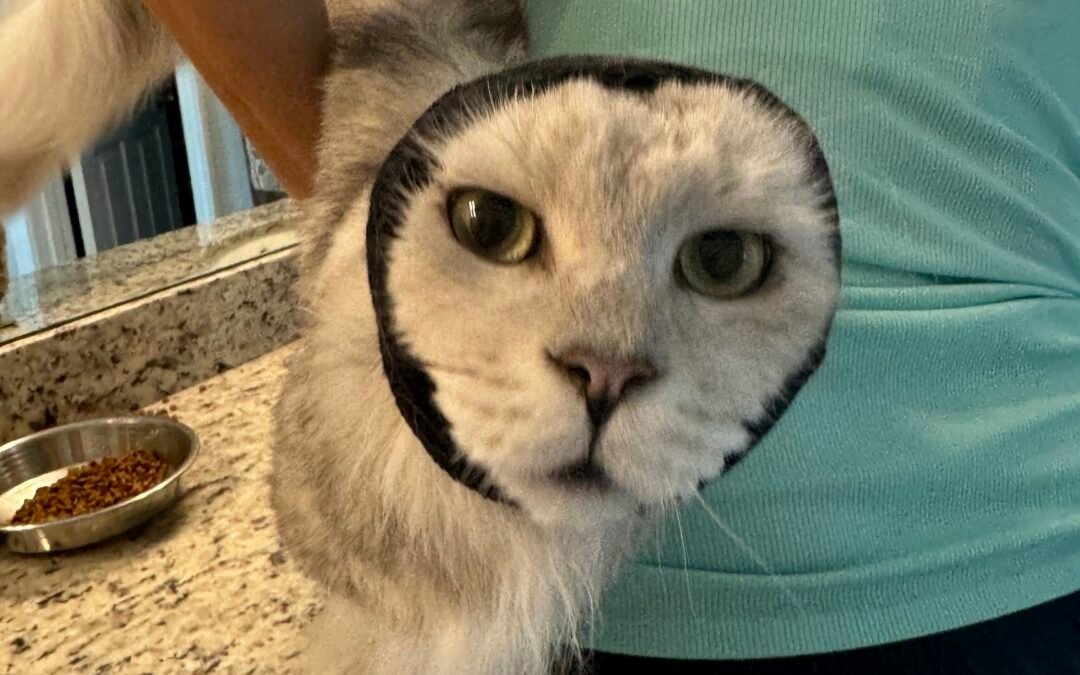
We also use the Original Happy Hoodie during appropriate drying sessions, which we find helps some of our cats tolerate the sound of the dryer.
We do not leave a freshly bathed Maine Coon damp. After initial towel drying and, if appropriate, a short supervised period of air drying, we carefully blow-dry and comb through the coat until it is fully dry, including the dense undercoat. Remaining dampness can encourage tangling and matting.
Use comfortable, cat-safe airflow and temperature, check the skin and coat frequently, and stop if the cat shows distress.
HolyCoonz also has dedicated kitten-drying equipment. Enclosed drying systems should be used only with appropriate training, continuous supervision, safe temperature and ventilation, and attention to each kitten’s comfort. They are not necessary equipment for most adoptive families. Never leave a cat unattended in a dryer or use high heat.
Nail care starts early
At HolyCoonz, we use high-quality, purpose-made stainless-steel cat nail clippers. Our young kittens often have their nail tips trimmed approximately weekly because they grow quickly and frequent gentle sessions build familiarity. As kittens mature, we may extend that interval to around two weeks, and later adjust according to individual need.
For families, inspect nails weekly and trim as needed—often every two to four weeks for indoor cats. Use good light, remove only the sharp tip, and avoid the pink quick. If your cat is uncomfortable, trim just one or two nails and try again later. Ask your veterinary team to demonstrate if you are unsure.
Ears, skin, and the rest of the grooming check
During grooming, look for redness, odor, debris, skin changes, parasites, and sore areas. Healthy ears usually do not need routine cleaning. Do not put cotton swabs into the ear canal. Persistent itching, dark discharge, odor, bald patches, or unusually greasy skin warrants veterinary advice rather than repeated cosmetic treatment.
Helping kittens learn to enjoy grooming
Keep early sessions short, gentle, and predictable. Pair light handling of paws, ears, tail, and coat with praise, treats, or play. Gradually introduce the sound of grooming equipment at a comfortable distance. Stop before the kitten becomes overwhelmed.
Our goal is not just a beautiful coat on go-home day—it is a cat who has a positive foundation for lifelong care.
A simple routine for HolyCoonz families
- Daily: Feel for tangles in high-friction areas and briefly check the coat.
- Several times a week or more often: Comb through the coat, increasing frequency during shedding or when tangles form.
- Weekly: Inspect nails, ears, skin, and the tail base; trim nails when needed.
- As needed: Bathe with age-appropriate products, rinse repeatedly until all residue is gone, and dry the entire coat thoroughly. Arrange professional help for heavy matting, persistent grease, or skin concerns.
Frequently asked questions
Do Maine Coons need baths?
Not on a fixed schedule. Many healthy cats keep themselves clean with regular combing. Bathing is useful for specific coat conditions or when recommended by a veterinary professional.
Can I use Dawn on my Maine Coon?
HolyCoonz sometimes uses original blue Dawn selectively for degreasing. We do not recommend dish detergent as a routine substitute for a cat-formulated shampoo. Ask your veterinarian or a qualified feline groomer about stubborn oiliness, sensitive skin, and kitten-safe options.
What is stud tail?
Stud tail refers to excess oil production around the tail base, particularly in intact males. It may create a waxy or greasy appearance. If there is inflammation, odor, discomfort, or recurrent buildup, consult your veterinarian.
At HolyCoonz, we use Groomer’s Goop to help remove stubborn oil buildup associated with stud tail.
What if my cat hates the dryer?
Work gradually and keep the experience low-stress. Absorbent towels can remove much of the water first. An Original Happy Hoodie may help some cats, but it is not a guarantee. Avoid forcing a frightened cat through prolonged noise or heat.
Our philosophy
Beautiful grooming is more than a finishing touch. It is a chance to notice changes in your cat’s health, strengthen trust, and make everyday care easier.
At HolyCoonz, we aim to send our kittens home with positive early experiences—and to give their families practical guidance for the years ahead.
Purposefully Bred. Properly Raised. Lifetime Supported.